
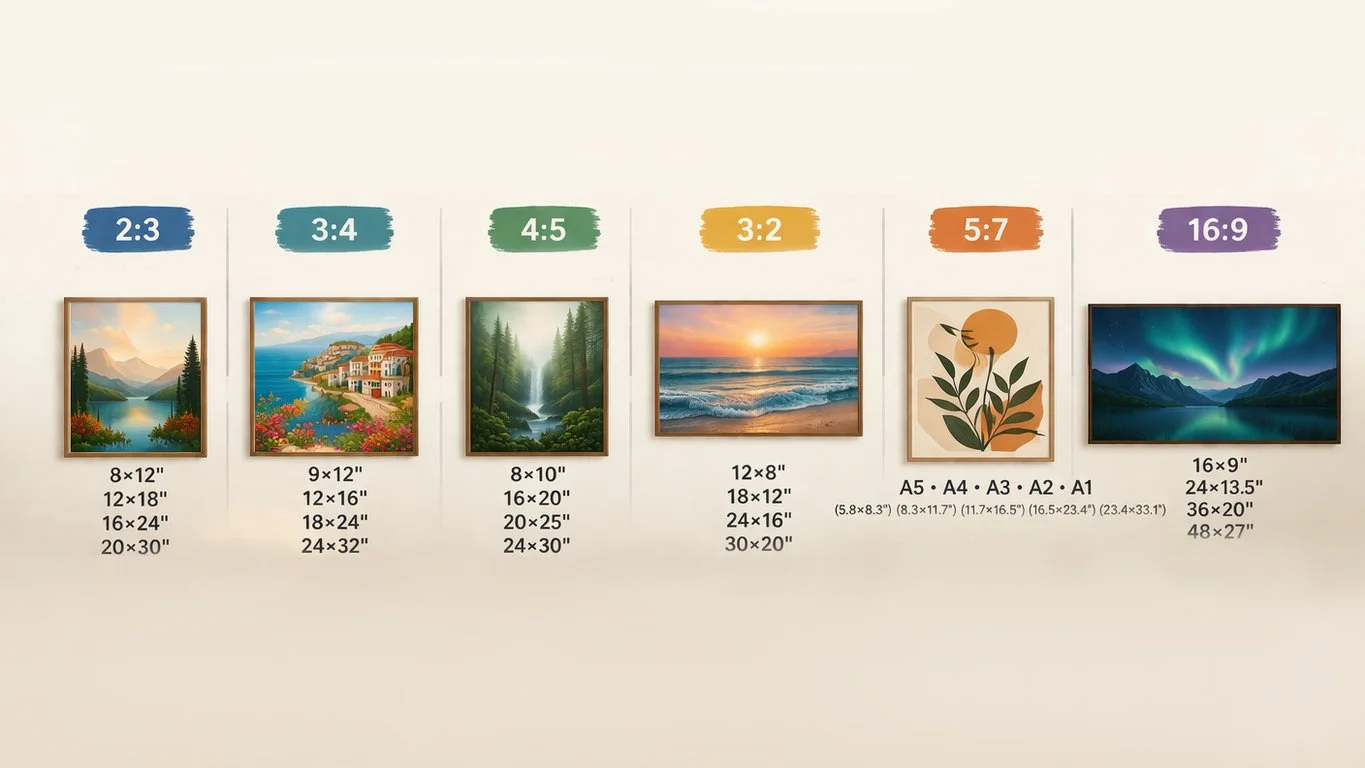
Understanding Aspect Ratios for Fine Art Prints and Image Resizing
You’re probably not thinking about aspect ratios per se when you are creating a work of art, but when it comes time to print - aspect ratios matter. Standard size frames, matting, and scalability come into play when selecting the size prints you want to offer. In this guide, we break down aspect ratios - what they mean and how to account for artwork with a different size than your desired prints.
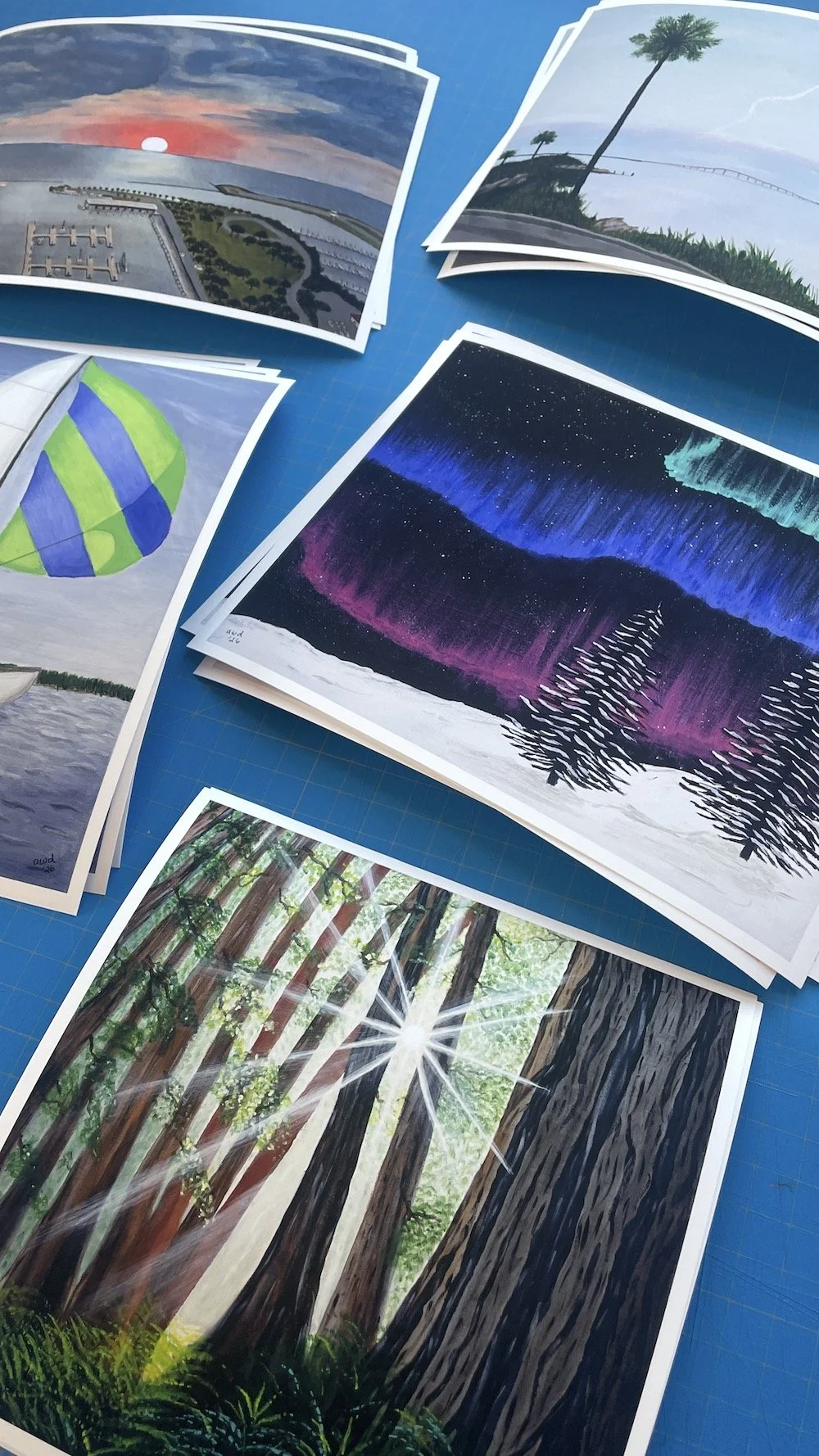
How To Price Your Fine Art Reproductions (Prints)
How to Price Your Prints
Calculate per-print cost: printing, paper, ink, mounting, packaging, shipping, and fees. Add an hourly rate for your time (editioning, marketing, customer service) and overhead (studio rent, equipment, website). Consider your market position, competition, and complexity of the original, then determine a sales strategy.
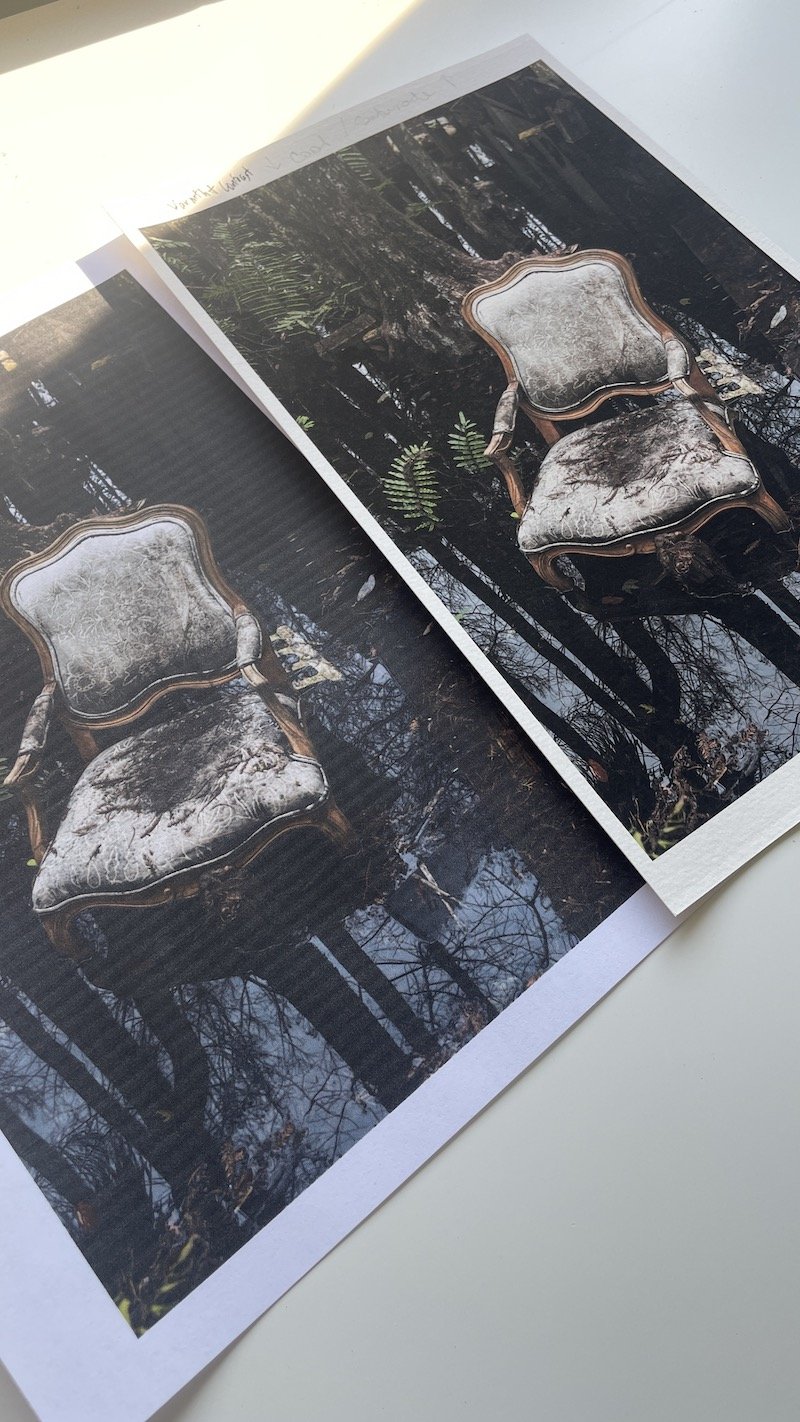
Why Your Prints Don’t Look Like Your Original
Prints may differ from originals because the process of reproduction translate spigments and light imperfectly. Paints, varnishes, and paper reflect light differently than photos or scans, so highlights, gloss, and fine texture can change. RGB vs. CMYK, ink and substrate limits can shift hues and reduce dynamic range or saturation. Scaling alters perceived detail and brushwork. Viewing conditions—gallery lighting, viewing angle, and screens—also affect appearance.
At Amazing Art Printing we reduce these gaps with careful color management, custom profiles for each printer and paper, high-resolution capture, and tailored material advice. Perfect matches aren’t always possible—especially for metallics, heavy impasto, or unique surfaces—but we work with artists and galleries to preserve the original’s character and intent.
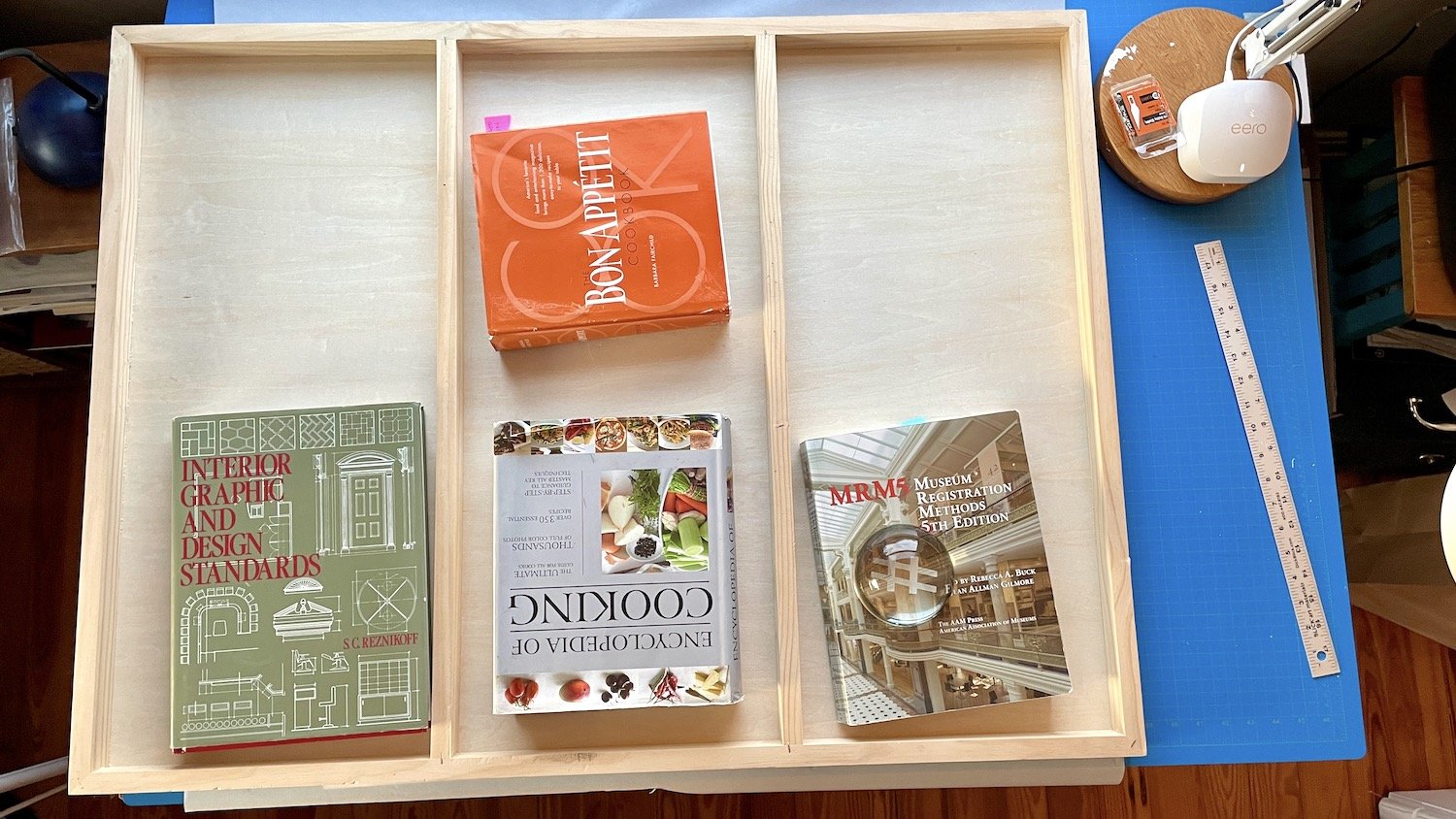
How To Flatten Prints
Learn how to flatten art prints safely and effectively without damaging your work. This step-by-step guide covers professional methods for removing curls, waves, and shipping creases so your prints present perfectly for framing, photographing, or selling.
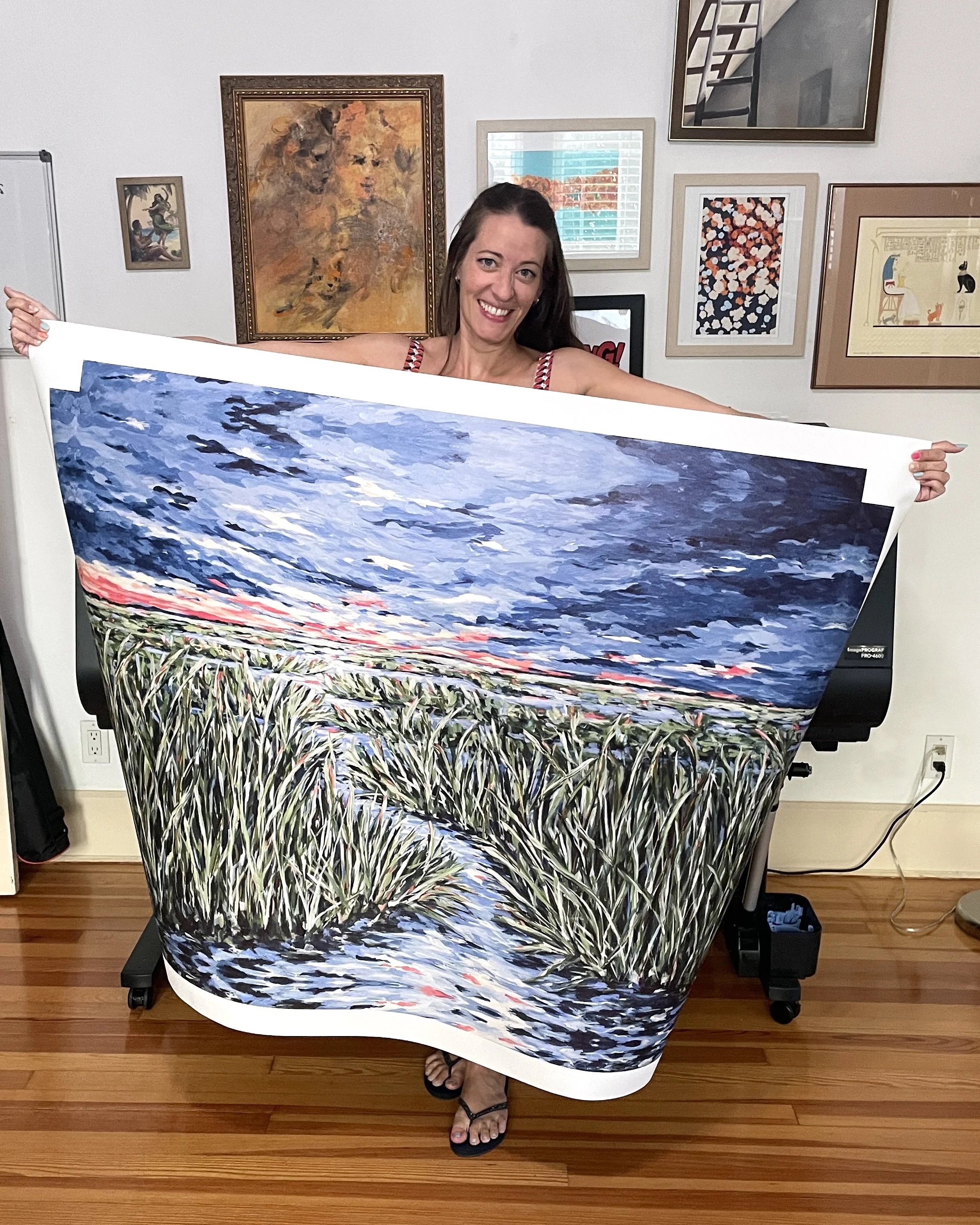
What is a Giclée, Anyway?
Simply put, a giclée is a high quality print but it comes with tons of misconceptions. Let’s debunk those here.
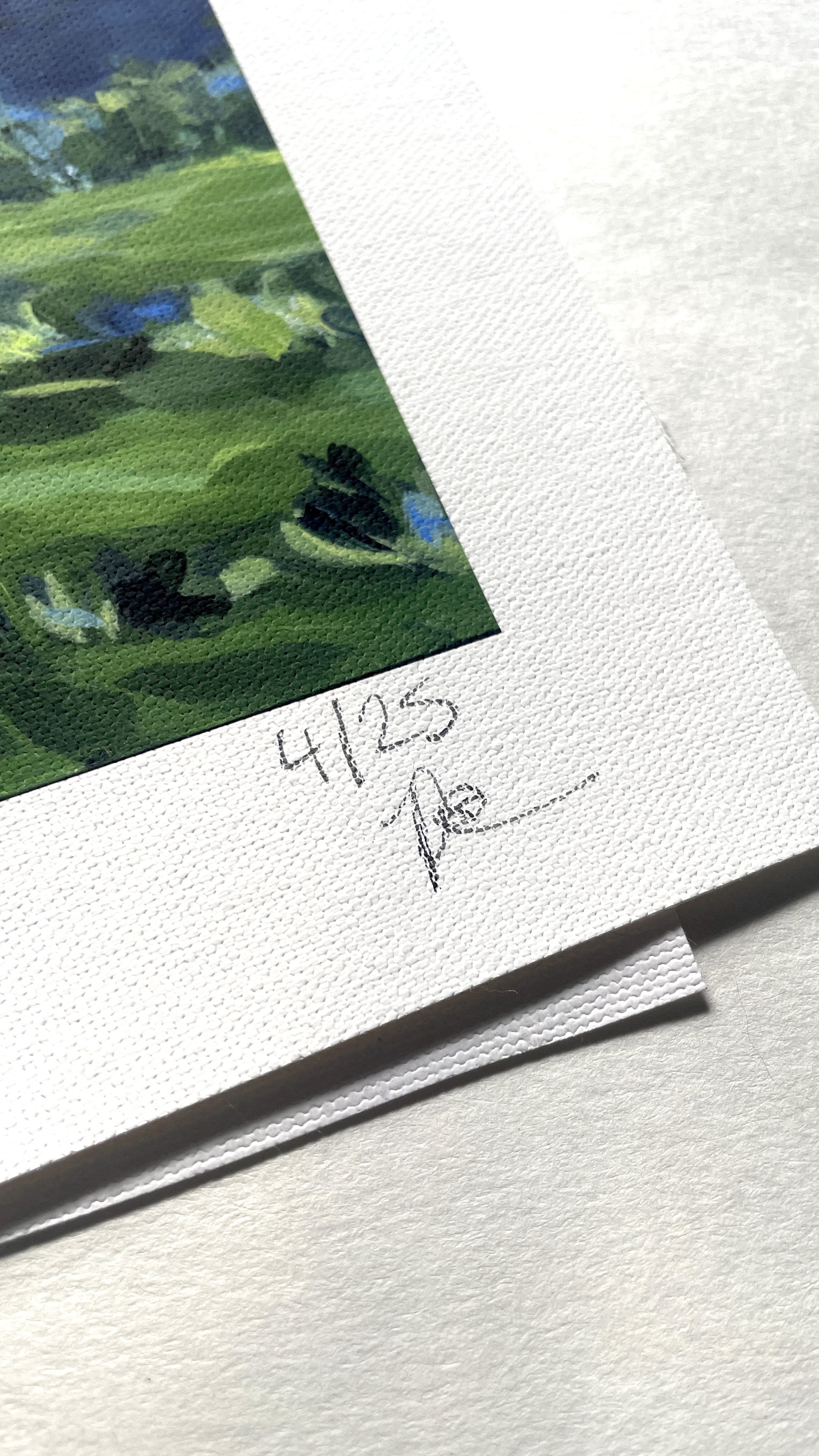
Limited Edition Prints: Still Relevant or a Relic of the Past?
Limited editions have long been marketed as a way to boost perceived value and create urgency, but in today’s saturated, fast-moving art world, do they still hold weight?
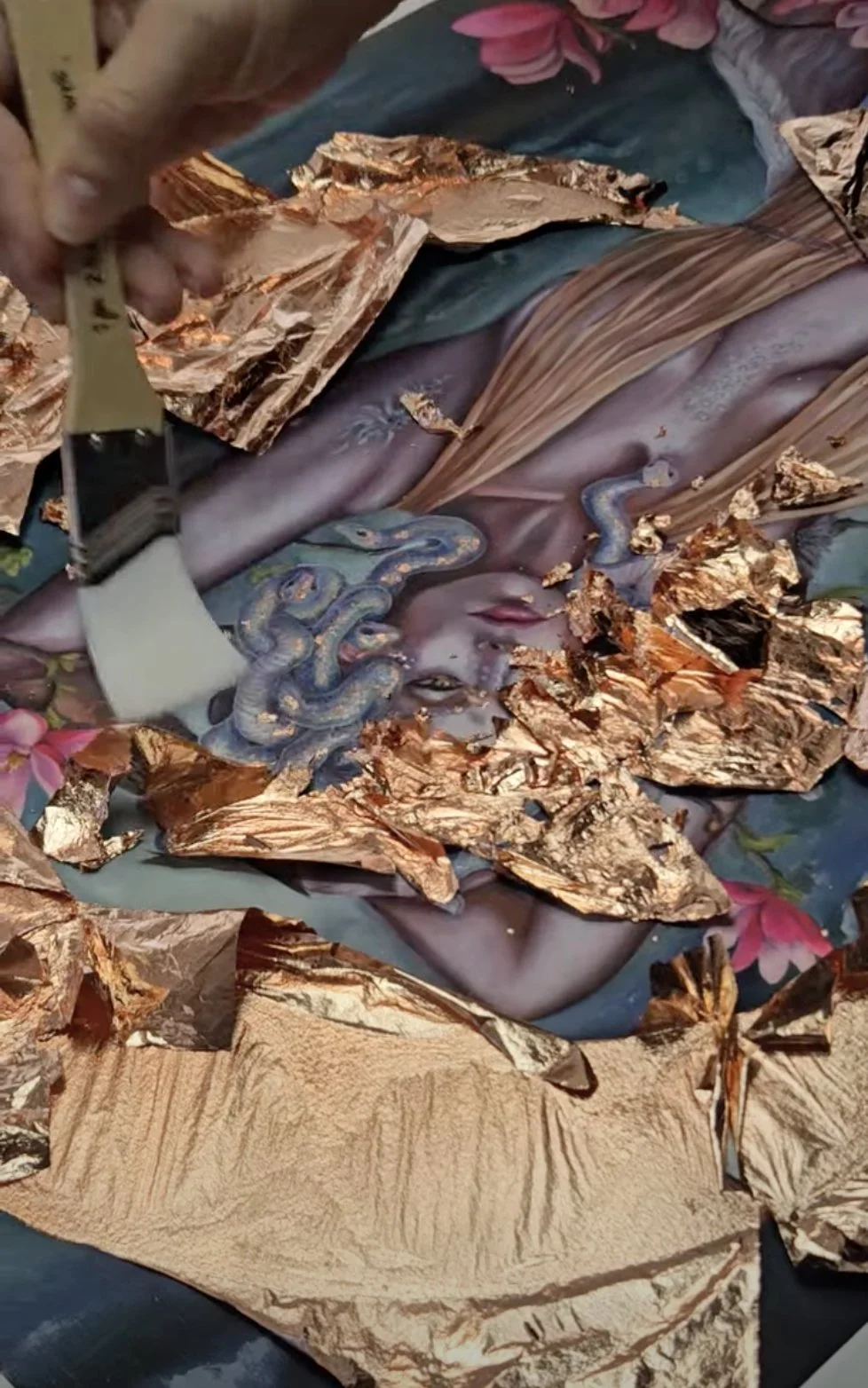
Hand-Embellished Art Prints
Hand-embellishing is an easy way to bridge the gap between prints and originals, making each piece feel just a little more alive. Whether it's a touch of gold leaf, a few brushstrokes of paint, collaged elements, or a sneaky doodle that only the most observant collectors will notice, embellishing is the perfect way to elevate a print without creating another full-blown original piece.